Skip to content

What Not to Flush

Protect Your Plumbing and Our Environment

The toilet is only meant to flush the three P’s – pee, poop and (toilet) paper. Flushing other things, or sending them down the drain, can cause problems in your home or business, like clogged pipes and sewage spills. It can also cause problems in the sewer system, treatment plant and in the environment!

Play Video
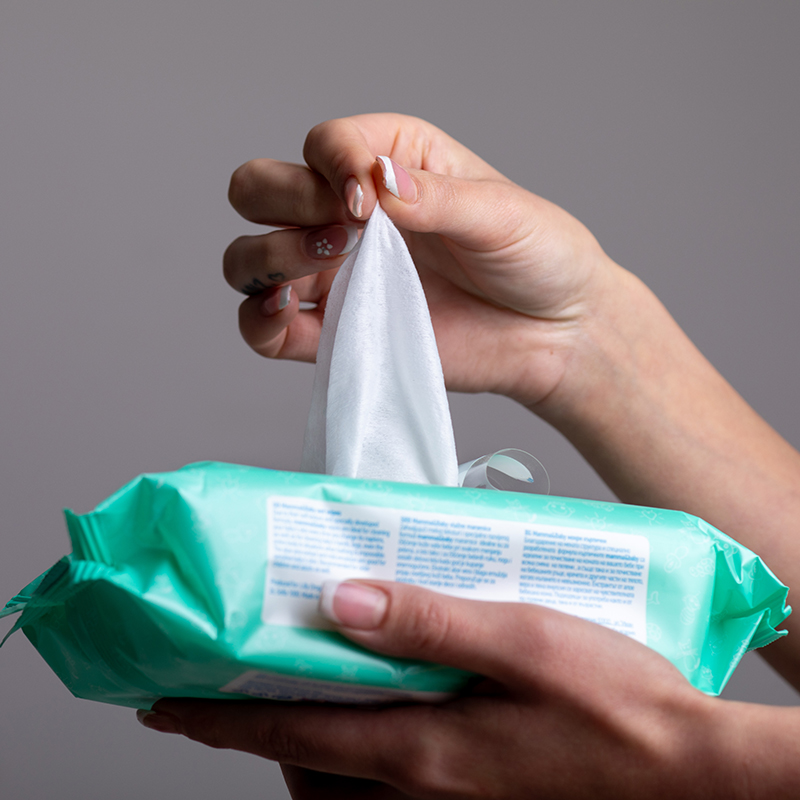
Taking baby wet wipes from the packaging

Even “Flushable” Wipes Clog Pipes

Wipes don’t break down like toilet paper. Sooner or later, they’ll get stuck in your home plumbing, the sewer system or the treatment plant. If they get stuck on your side of the system, you could incur thousands of dollars in repair costs. Throw wipes (personal wipes, baby wipes, cleaning wipes, etc.) in the trash, every single time! 

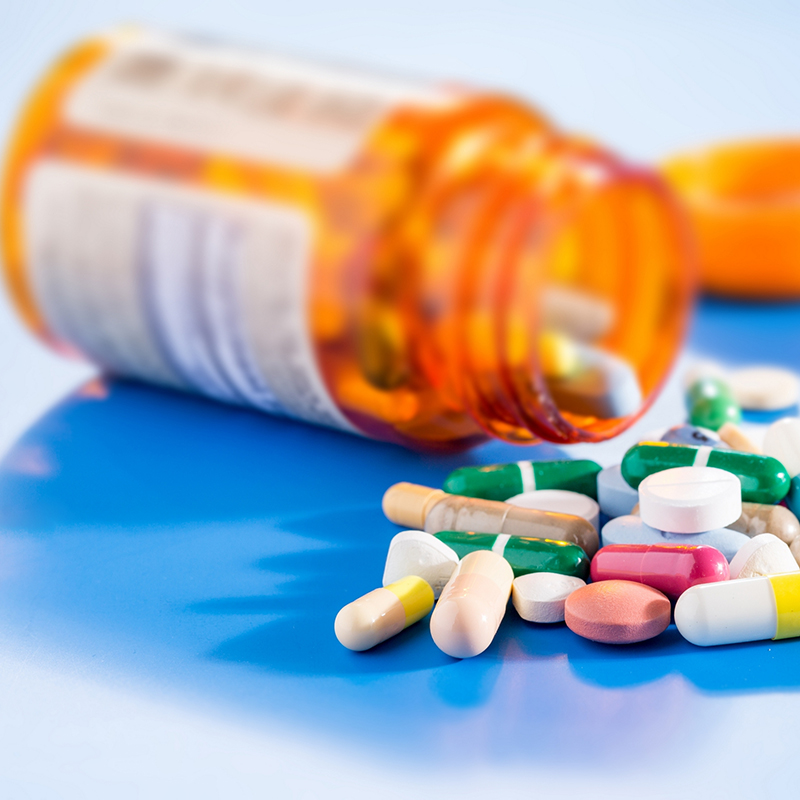
Pills and capsules in medical vial

Keeping Pharmaceuticals Out of Water

Wastewater treatment systems are not designed to treat and remove medicines from the water. Since the treated water is released to the environment, medicines that remain in the water may be released too. Don’t flush unused medications down the toilet or drain.

Instead, dispose of medications for free using the new statewide Safe Medication Return Program. Mail your expired and unwanted medications, or drop them off at a participating drop box at many local retail pharmacies, hospital and clinic pharmacies or law enforcement offices. Find details on the Safe Medication Return webpage.

Helpful Links

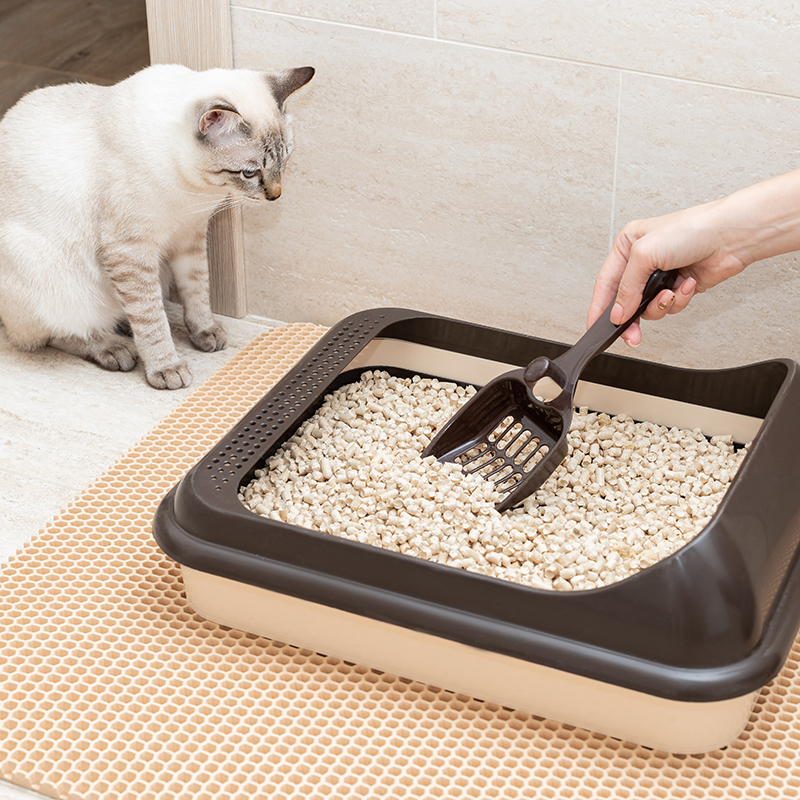
Female hand cleaning cat litter box with shovel at home. Cleanliness and hygiene concept

The Scoop on Pet Poop

Wastewater treatment plants are not designed to treat pet waste. Pet products that claim to be flushable, like some poop bags and kitty litters, are definitely NOT. Dispose of pet waste, poop bags and kitty litter in the trash.

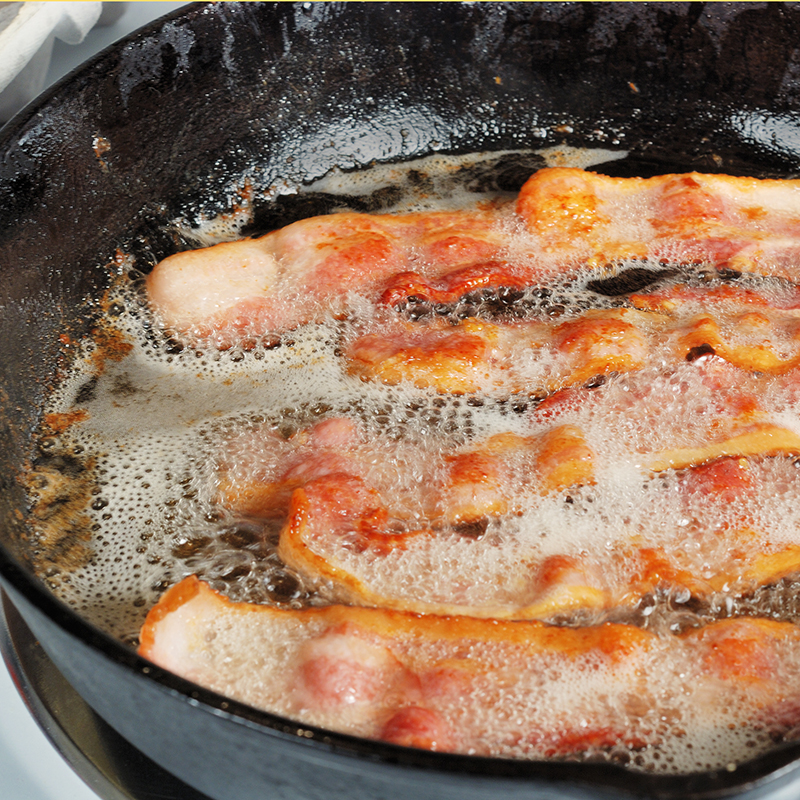
Bacon frying in cast iron pan

Trash Your Grease to Protect Your Pipes

Cooking oil, melted butter, bacon grease and other fats that go down the drain can solidify in the pipes and cause clogs in household plumbing or the sewer system. Those clogs can cause sewage to back up into your home, business, the street or the environment. For those reasons, oil and grease should not be disposed of down the drain. Instead, small amounts of grease can be collected in an empty can and disposed of in the garbage once it turns solid. Small amounts of liquid oil can be absorbed with paper towels and put into household compost or the trash. Larger amounts of oil should be mixed with an absorbent material, such as kitty litter, and thrown in the trash.

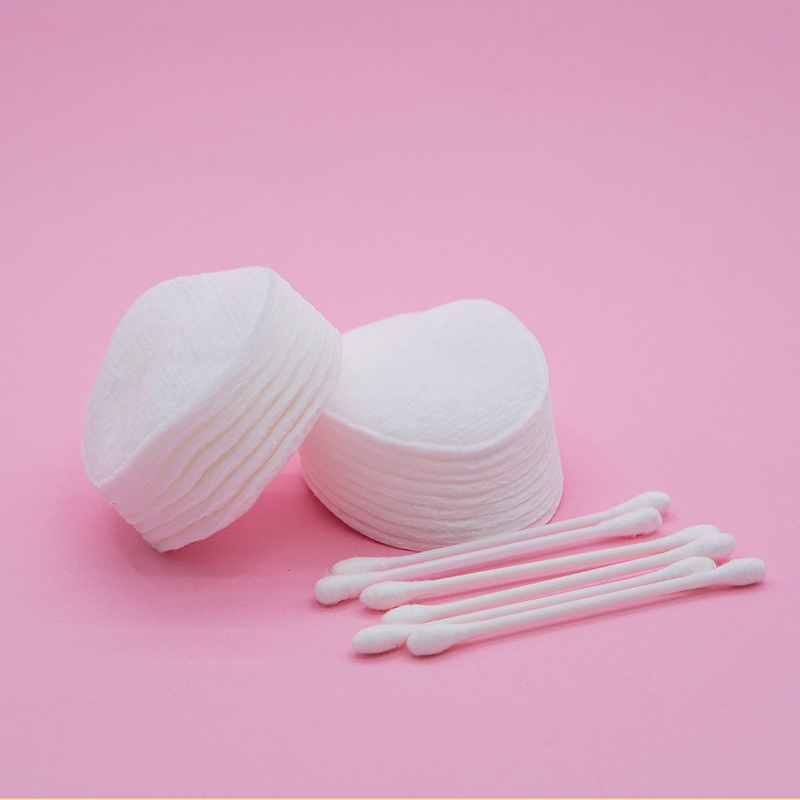
Cotton swabs and cotton pads for personal hygiene.

Toilets Are Not for Trash

Q-tips, cotton balls, makeup removal pads, tampons, sanitary pads, dental floss and even tissues can cause clogs and jams in your plumbing and in sewer system equipment. The only things that should go in the toilet are things that come out of your body and toilet paper. If it is not pee, poop or toilet paper, use the trash can instead!

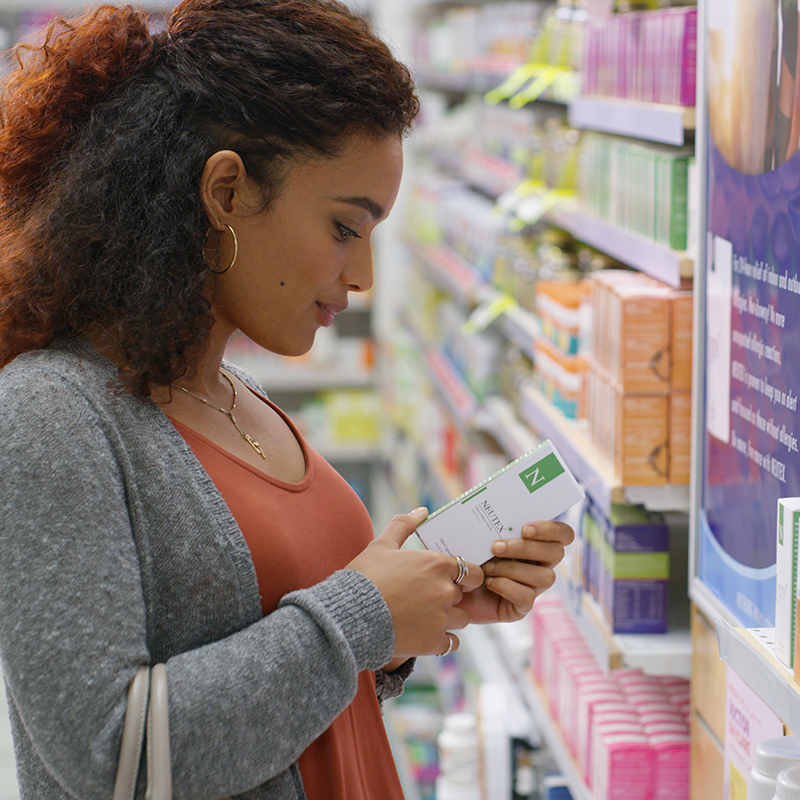
Shot of a young woman browsing the shelves of a pharmacy

Protect Your Family and Our Environment by Choosing Less-Toxic Products

The many household and personal care products we all use, including medicines, shampoos, soaps and cleaning products, contain chemicals. When the chemicals go down the drain, they enter our wastewater system, and can eventually reach Puget Sound or groundwater aquifers. You can help protect your family and our environment by choosing products with less-toxic contents, using fewer products and disposing of products properly. Below are some resources.

More Information